Mr. Guest
Mr. Guest is the head clerk of Mr. Utterson, the lawyer who serves as the story's central investigator. He appears only briefly, but his specialized knowledge of handwriting provides the first concrete evidence that the identities of Henry Jekyll and Edward Hyde are disturbingly connected, a revelation that deepens the mystery and foreshadows the ultimate truth.
Role and Expertise
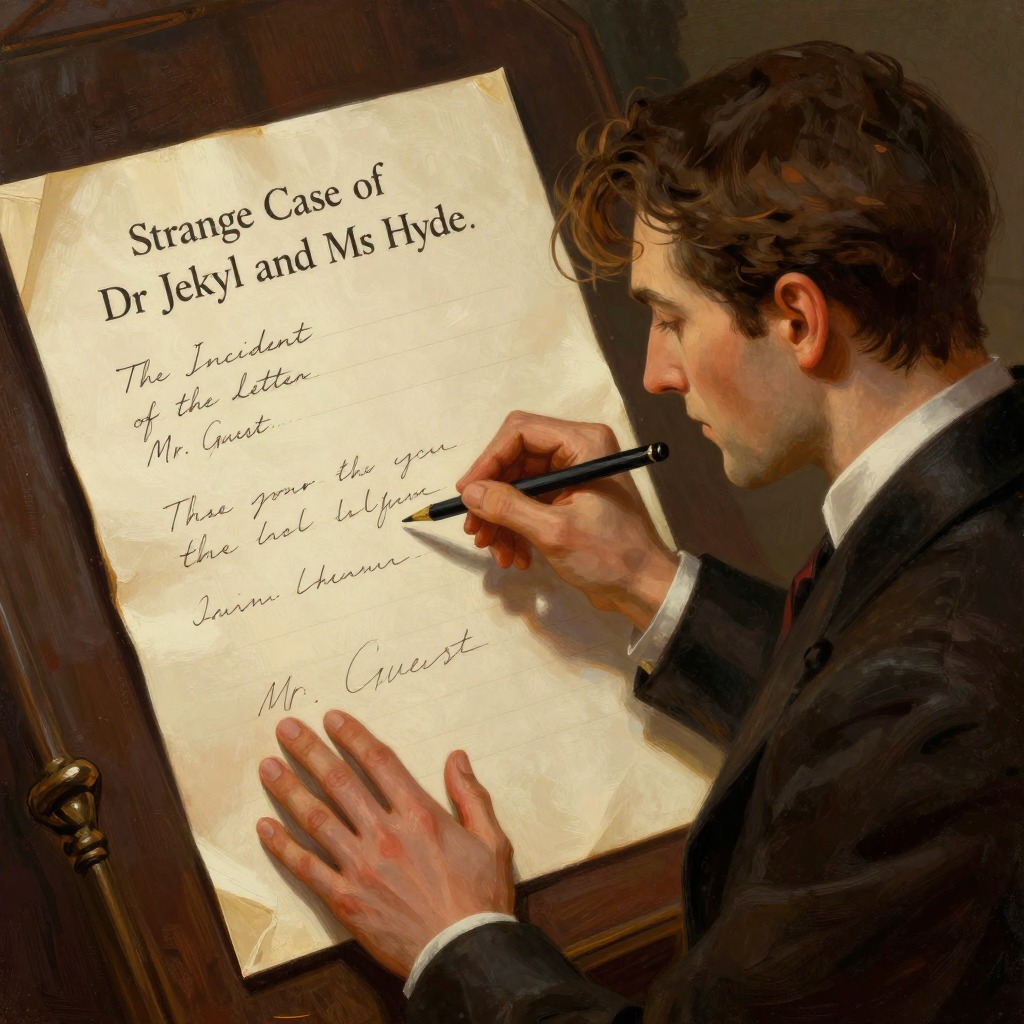
Mr. Guest is introduced as a man of counsel, a great student and critic of handwriting. He is familiar with Dr. Jekyll's household, having often been on business to the doctor's, and knows Poole the butler. Mr. Utterson trusts him more than almost anyone, keeping few secrets from him, and values his judgment. When Utterson is uncertain how to handle a letter from Hyde, he deliberately shows it to Guest, knowing that Guest's analysis of the handwriting might provide guidance.
The Handwriting Revelation
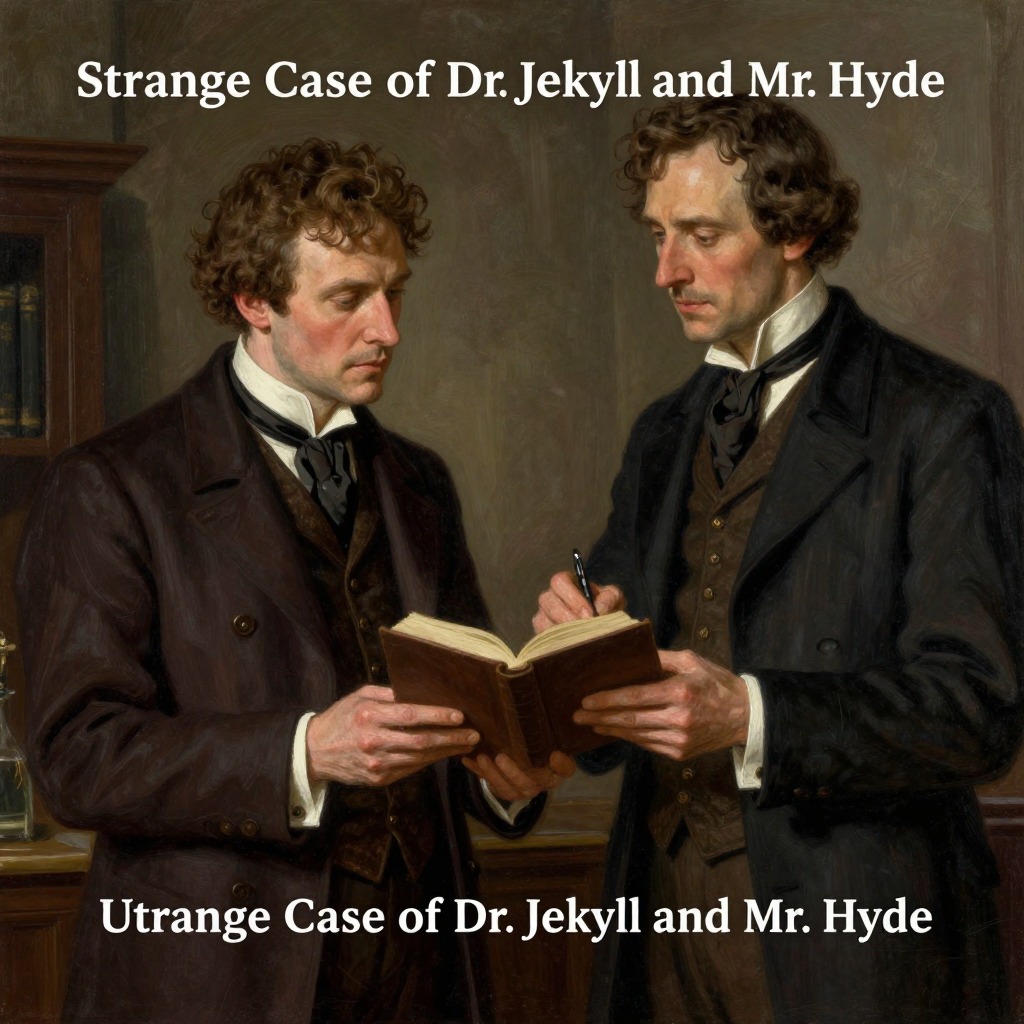
While examining Hyde's letter, a servant brings in a dinner invitation from Dr. Jekyll. Guest asks to see it, and he lays the two sheets of paper alongside each other, comparing their contents. He then delivers the crucial observation: there is a rather singular resemblance between the two hands; they are in many points identical, only differently sloped. This discovery, which Utterson finds "rather quaint," is the first objective proof that Jekyll and Hyde share a single identity. The lawyer's blood runs cold as he realizes the implication: Henry Jekyll has forged for a murderer.
Significance
Guest's analysis is a turning point in the narrative. It transforms Utterson's suspicion into a horrifying certainty, even if he cannot yet grasp the full supernatural explanation. Guest himself remains a flat character, a tool of the plot whose single function is to expose the handwriting link. His brief scene is essential, as it provides the reader with the same chilling clue that Utterson possesses, deepening the sense of dread and complicity that surrounds Dr. Jekyll.